
An API Is a Boundary, Not a URL
A working endpoint is not yet a reliable API. The real contract includes validation, errors, retries, idempotency, and a way to evolve without making yesterday’s frontend fail tomorrow.
9 min read
A working endpoint is not yet a reliable API. The real contract includes validation, errors, retries, idempotency, and a way to evolve without making yesterday’s frontend fail tomorrow.

There's a point where a type stops protecting you and starts being a puzzle you have to solve again every time you touch it. I'm not a type wizard and I've stopped trying to be one — because on real React codebases, the complexity that pays for itself is a much shorter list than the internet suggests.
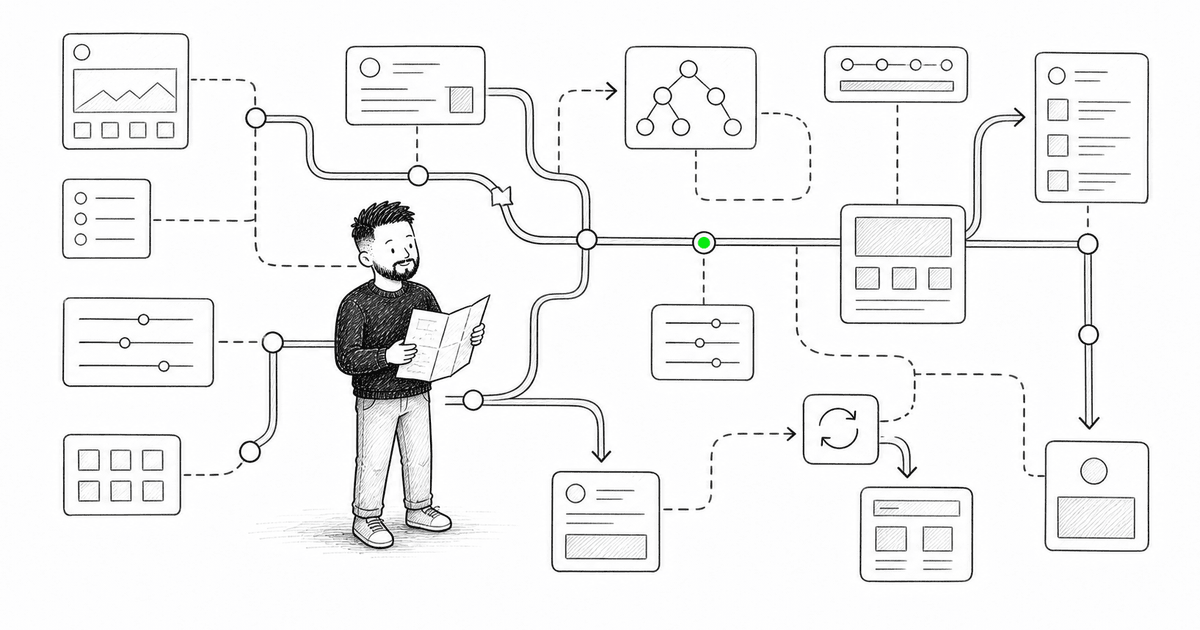
Routing is not just rendering a page for a path. In serious React apps, the URL carries product state: filters, tabs, pagination, selected records, redirects, and preload decisions. TanStack Router makes that state typed instead of hopeful.
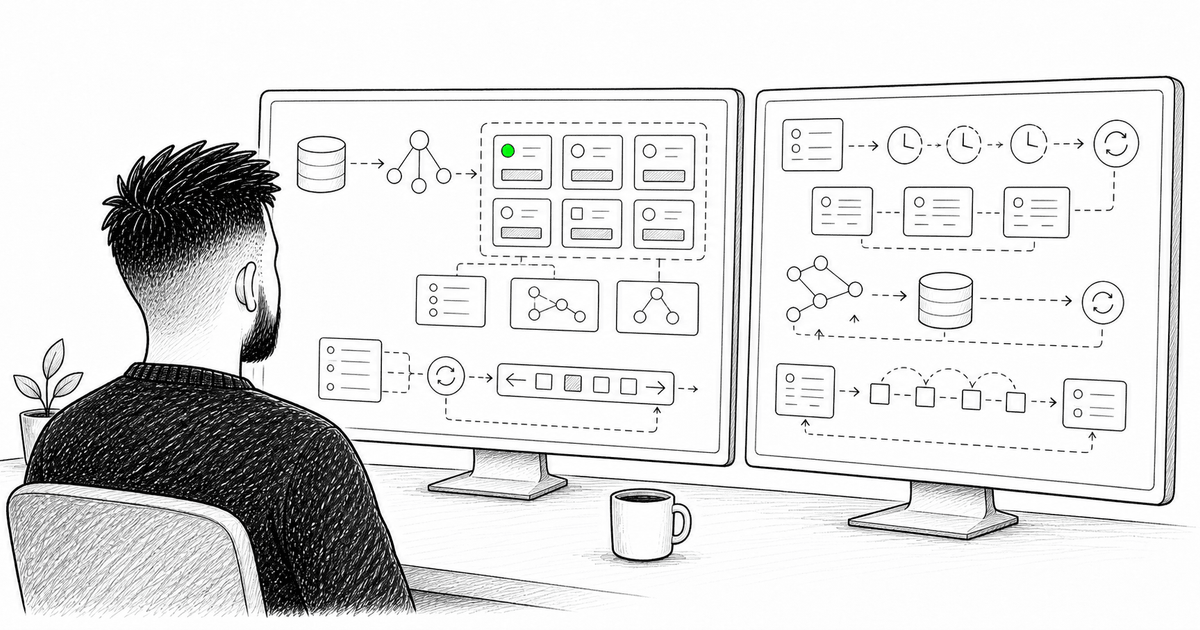
TanStack Query is not just a better useEffect. It is the server-state layer of your React app. The hard part is not fetching data — it is designing keys, freshness, invalidation, pagination, and prefetching so the UI stays predictable.

Error handling is not a catch block sprinkled at the end. In a React + TanStack app, it is a product decision: what fails locally, what fails at the route level, what can retry, and what the user needs to do next.
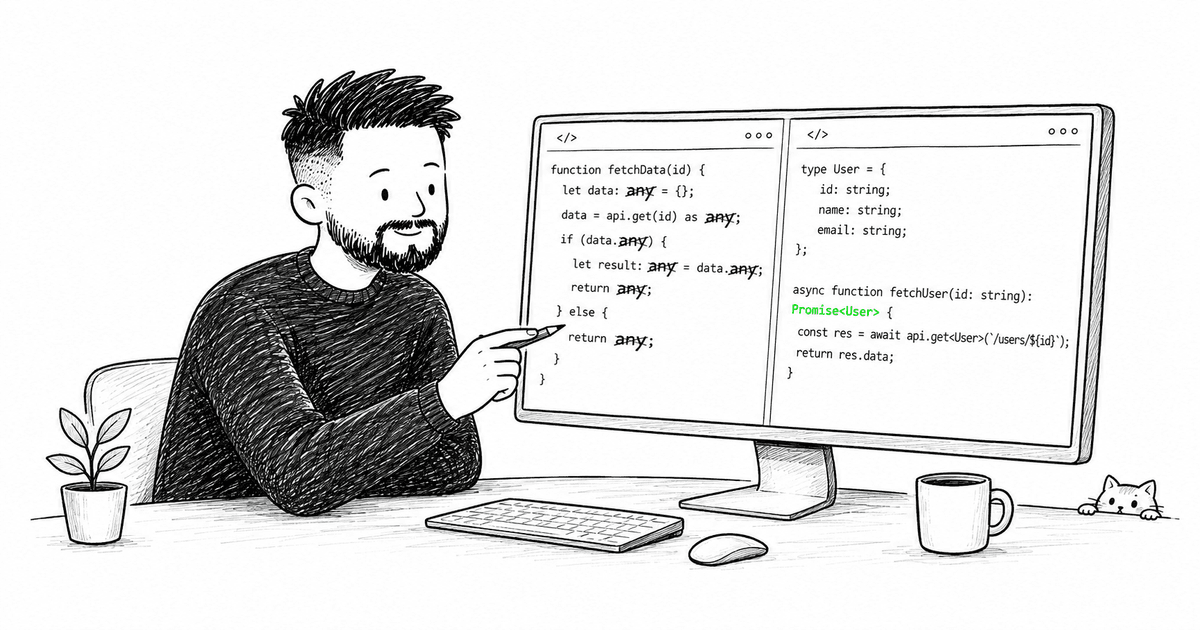
Not a TypeScript tutorial. A focused look at the patterns that eliminate real production bugs in React + TanStack apps — typed API layers, discriminated unions for async state, route param inference, and generic components done right.

Every new React project starts with the same question: which tools? After years of watching teams assemble mismatched libraries that fight each other, I stopped choosing independently. This is the coherent stack I now use by default — and why.

Leveraging TypeScript for better developer experience and fewer runtime errors.