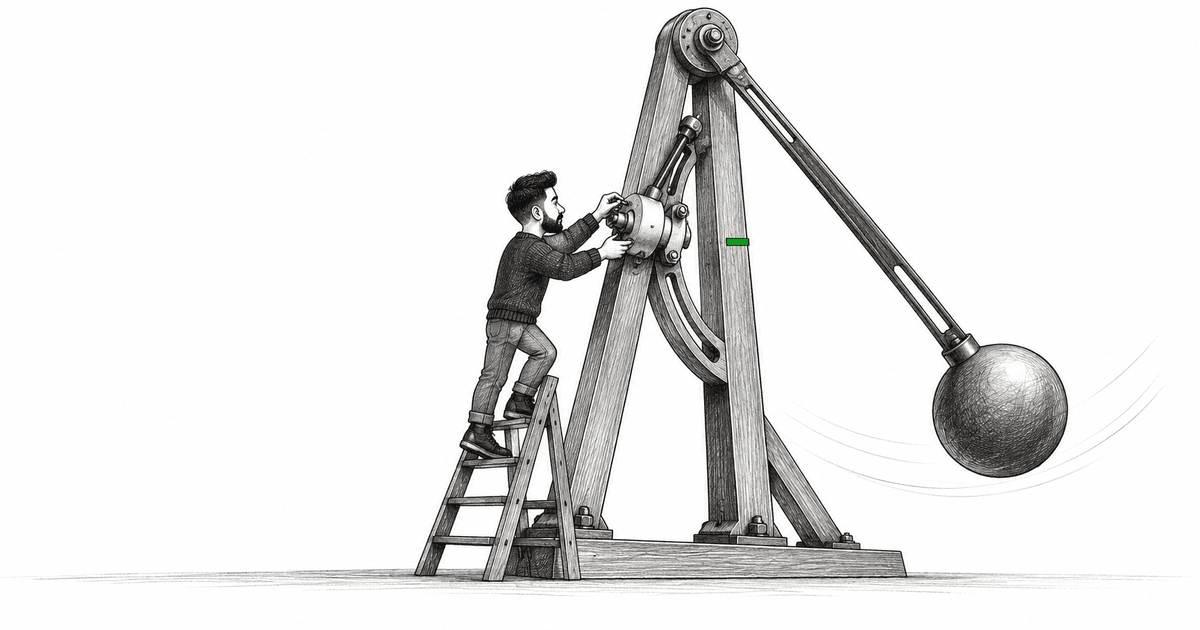
Upgrading the Model Means Retesting the Workflow
A model upgrade can change tool use, stopping decisions and recovery, not just answer quality. I would test the workflow contract before trusting a new default.
7 min read
A model upgrade can change tool use, stopping decisions and recovery, not just answer quality. I would test the workflow contract before trusting a new default.
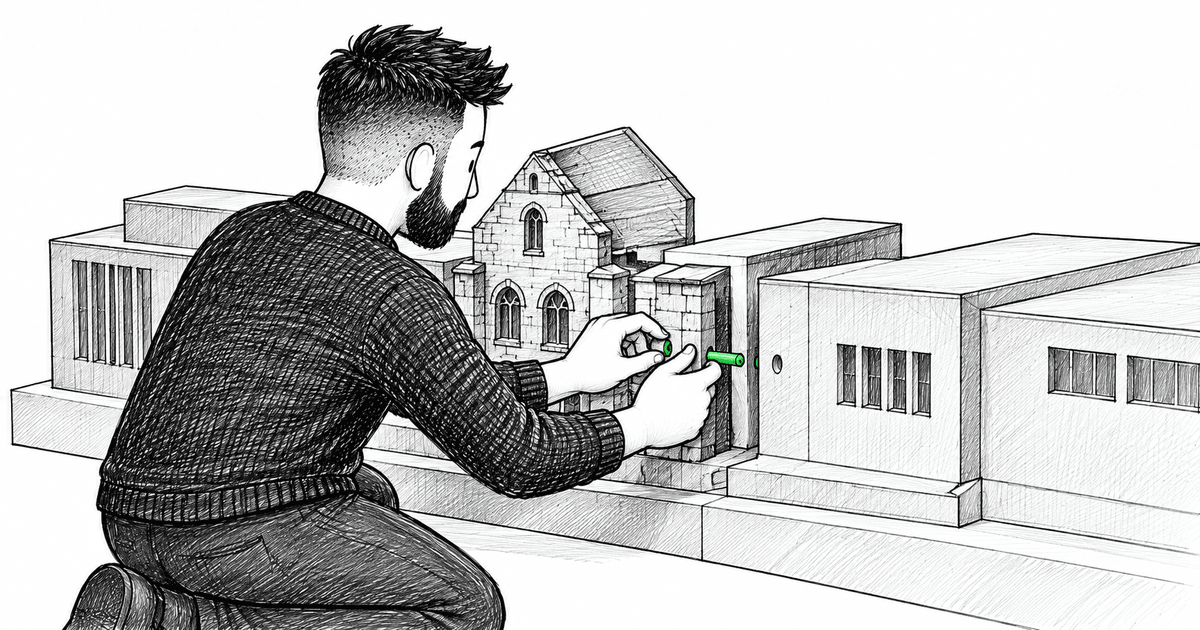
A restored database can disagree with payment providers, object storage, jobs, and deployed code. Recovery is a coordinated system change, with controlled side effects and evidence that the recovered state is usable.

Review automation has to track more than whether it has seen a PR. Findings, CI evidence, duplicate suppression and guarded actions need a revision and a lifecycle, while final approval remains an accountable human decision.

Useful observability connects browser intent, API acceptance, durable state, and background outcomes. Sampling, cardinality, missing denominators, privacy, and telemetry failure determine which questions that connection can answer.
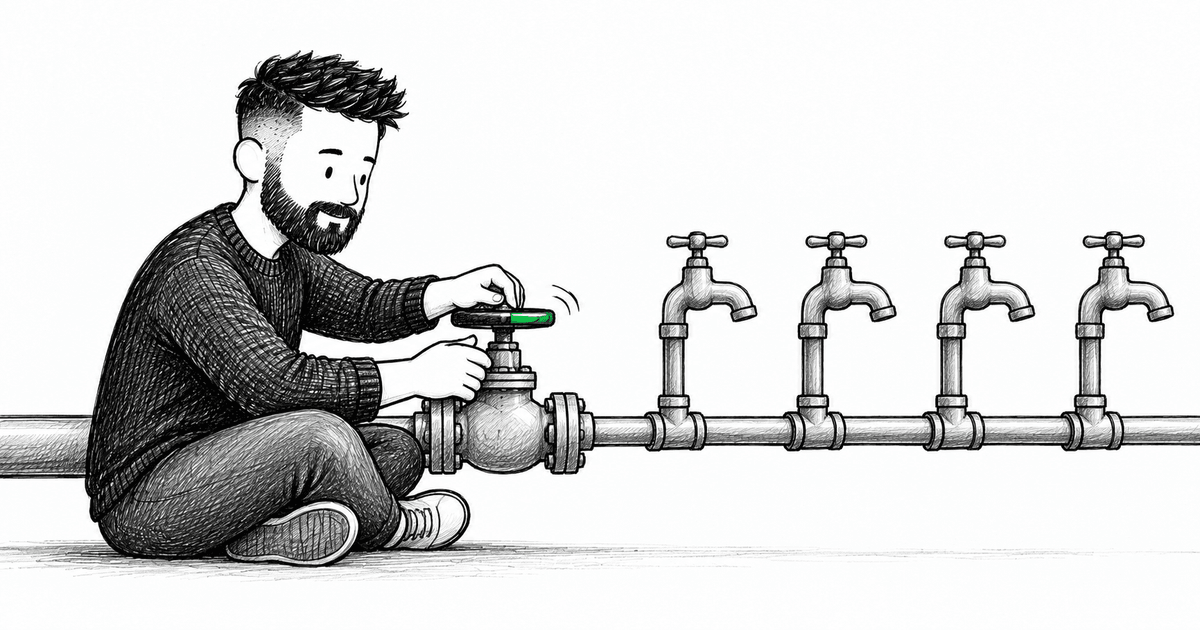
Horizontal scaling multiplies connection pools, retries, and deployment overlap as well as capacity. The useful questions concern admission limits, health-check meaning, draining, and which state a replacement instance can actually recover.
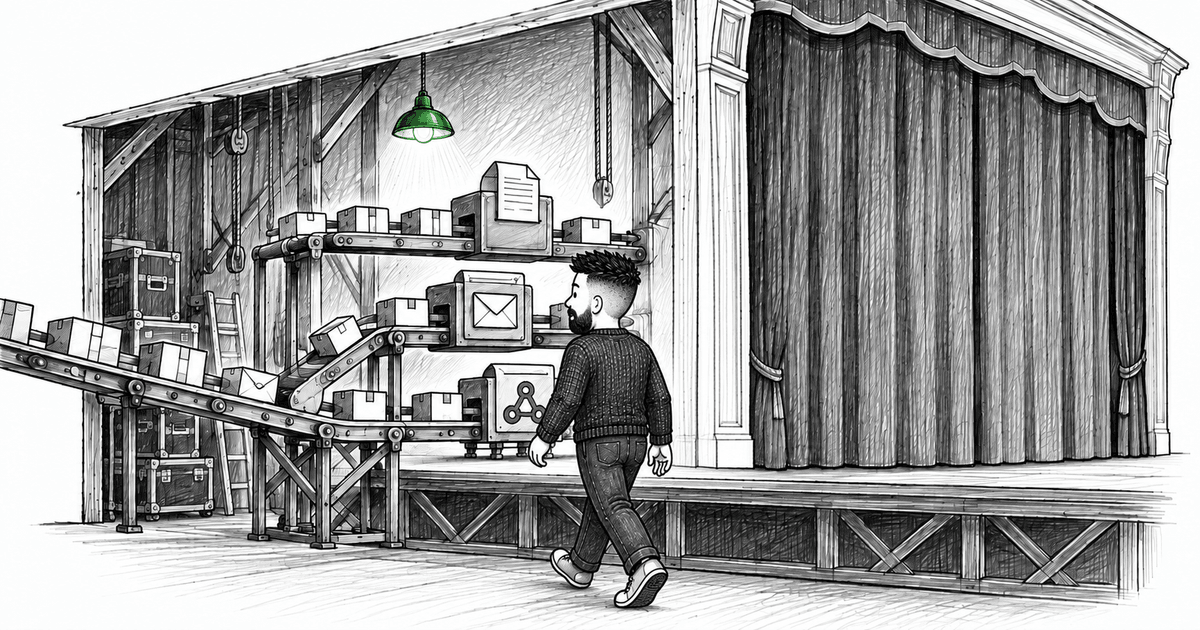
Emails, exports, webhooks, and slow integrations should not keep an HTTP request open. A queue helps only when retries, duplicate delivery, job state, and the database handoff are designed explicitly.