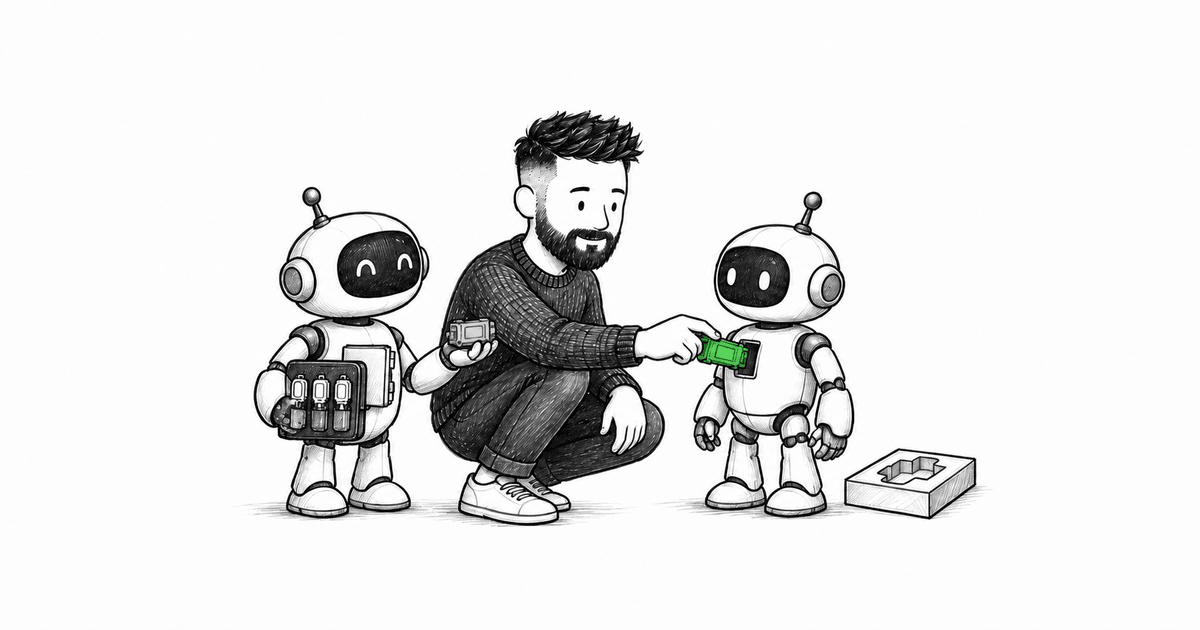
Earned Autonomy: Comparing My Agent Workflow with a Corporate Experiment
I arrived at Liberty with a working model for agentic development. Now the company is exploring a more formal approach built around reusable agent skills. I don't know which model will prove better yet, and that uncertainty is the interesting part.
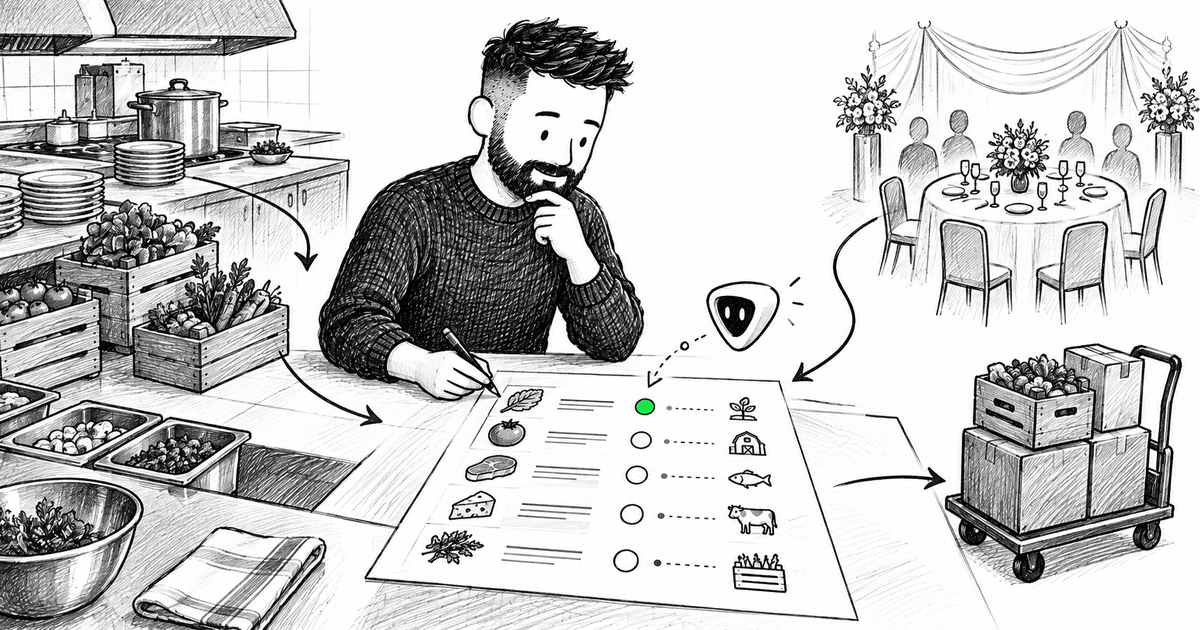
The Cart Was Not the Product: Building a HoReCa Procurement Agent for Silpo AI Factory
For the Silpo AI Factory hackathon, the interesting problem was not building another AI shopping chat. It was figuring out where AI should stop, where deterministic procurement logic should begin, and how MCP could execute a controlled supplier workflow at the end.
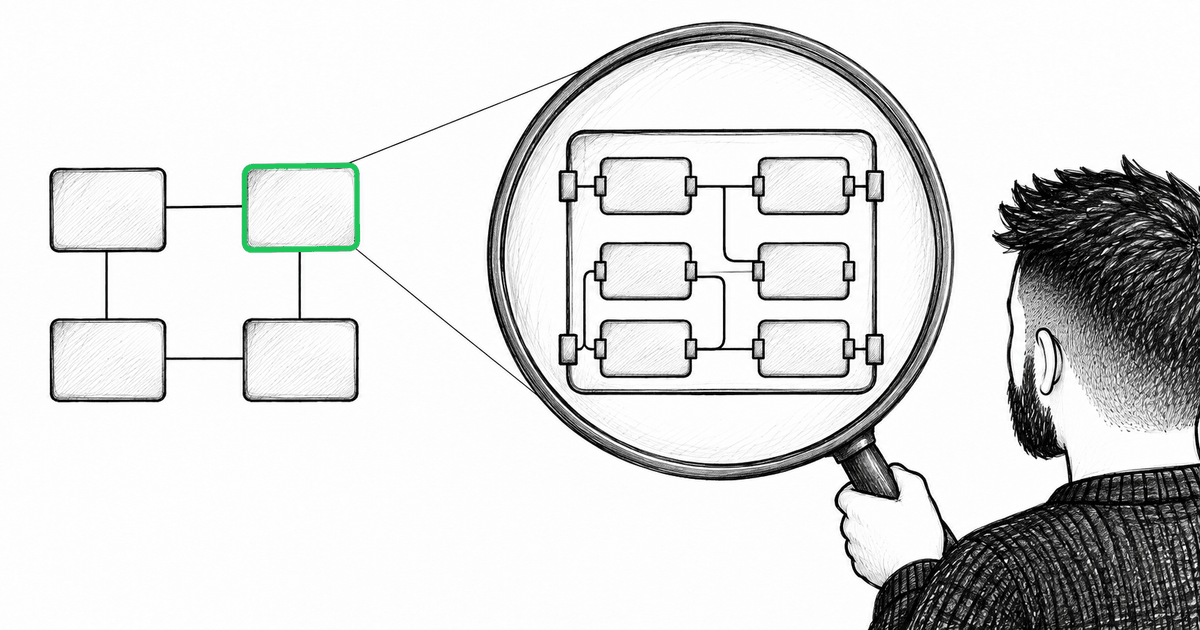
Nivra: Turning a Hackathon Idea into a WebMCP Architecture Workspace
How Nivra went from a vague hackathon direction to a tested WebMCP workspace: choosing the right idea, making architecture the shared context, and proving that human UI, agent tools, and deterministic validation could work from the same model.
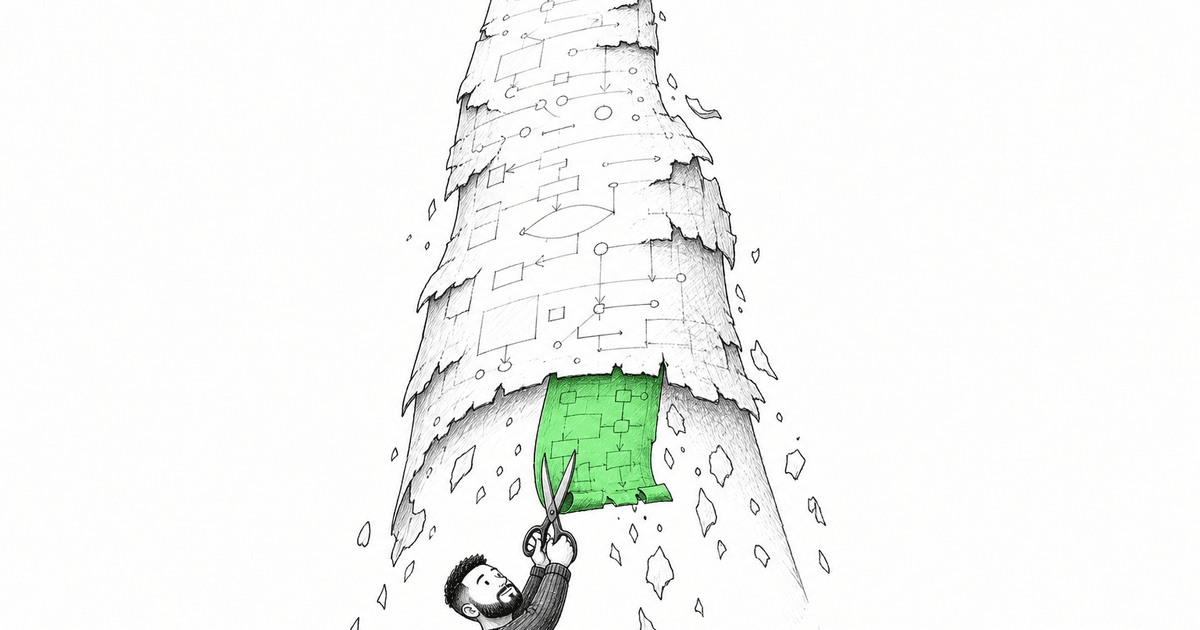
Your Agent Instructions Are Rotting Right Now
Nobody writes agent rules once and walks away — they write them, then keep adding. A line here after a bad run, a paragraph there after a near-miss. Six months later the file contradicts itself, and the agent is following the version of your project that stopped existing in March.
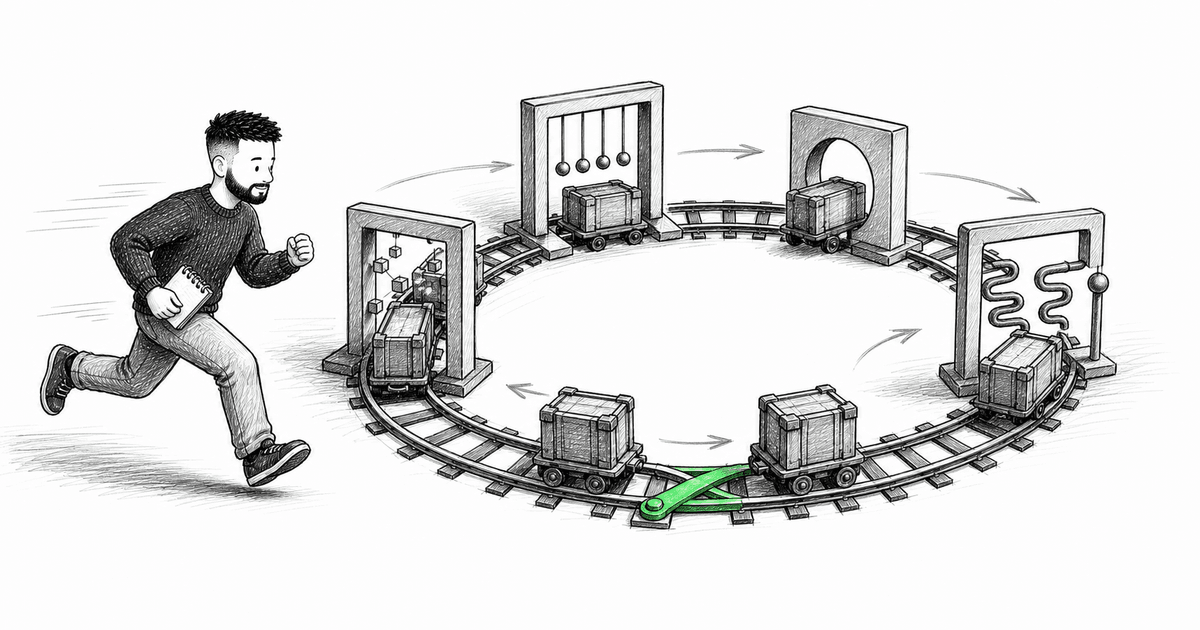
Evaluation Is the Missing Loop in Agent Workflows
An agent that feels better after a prompt change may still be getting worse. Without a small set of realistic tasks, explicit expectations, and recorded failures, agent improvement is just a sequence of impressions.

Memory Is Not a Bigger Context Window
A long transcript can remember everything and still help with almost nothing. Durable agent memory is the small set of current facts, decisions, and lessons that makes the next run start from a better baseline.
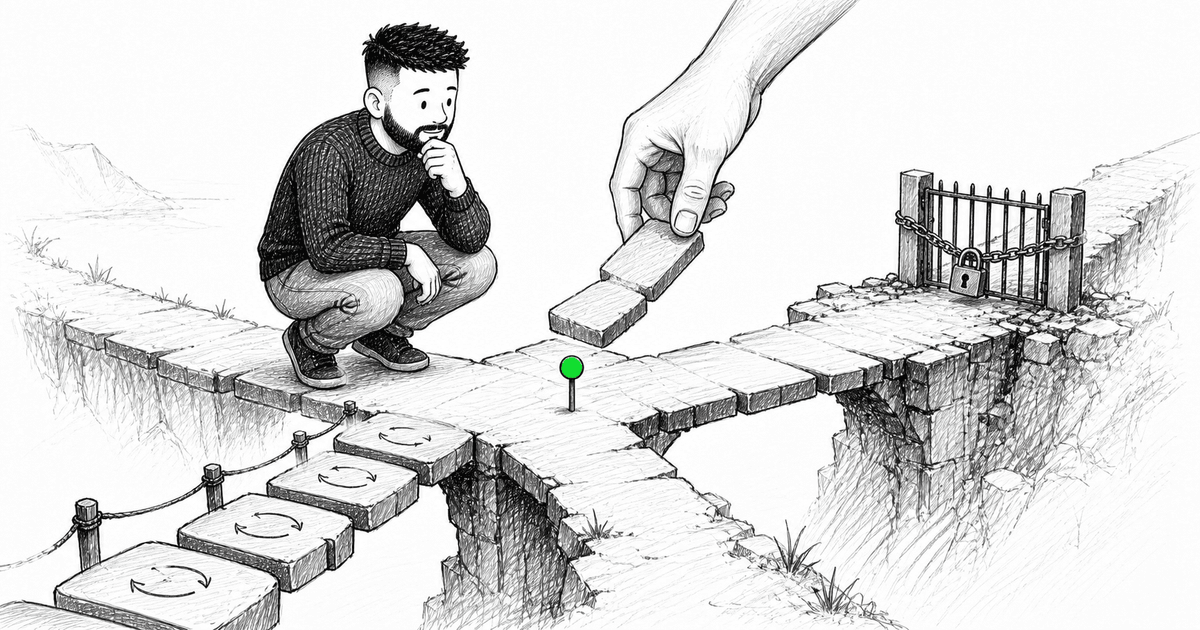
When an Agent Should Ask Instead of Acting
Autonomy is not a single setting to turn up. A useful agent knows which decisions it owns, which ones it can reverse, and which moments need a human before the next step.
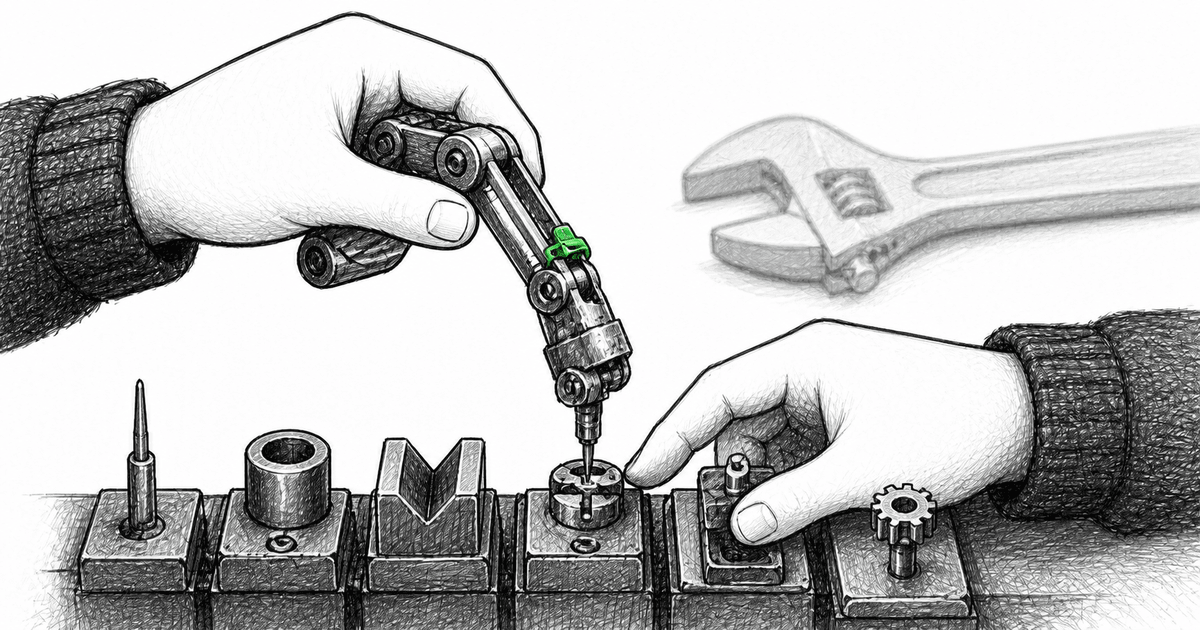
Tools Are Part of the Agent's Intelligence
An agent cannot reason about information it cannot reach, and a vague tool description turns a precise capability into a guessing game. Tool design is not plumbing around the model. It is part of how the agent thinks.
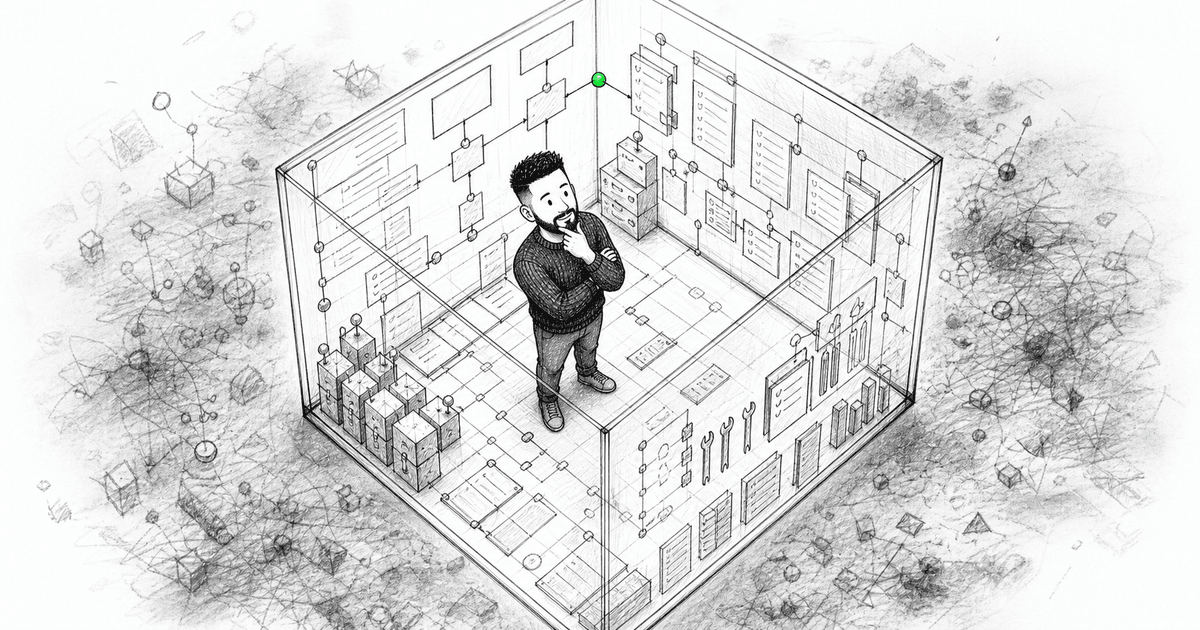
The Context Is the Product
A capable model with the wrong context is still a bad agent. The useful part of an agent is not the model in isolation, but the project knowledge, rules, tools, and decisions that shape what it can see before it acts.
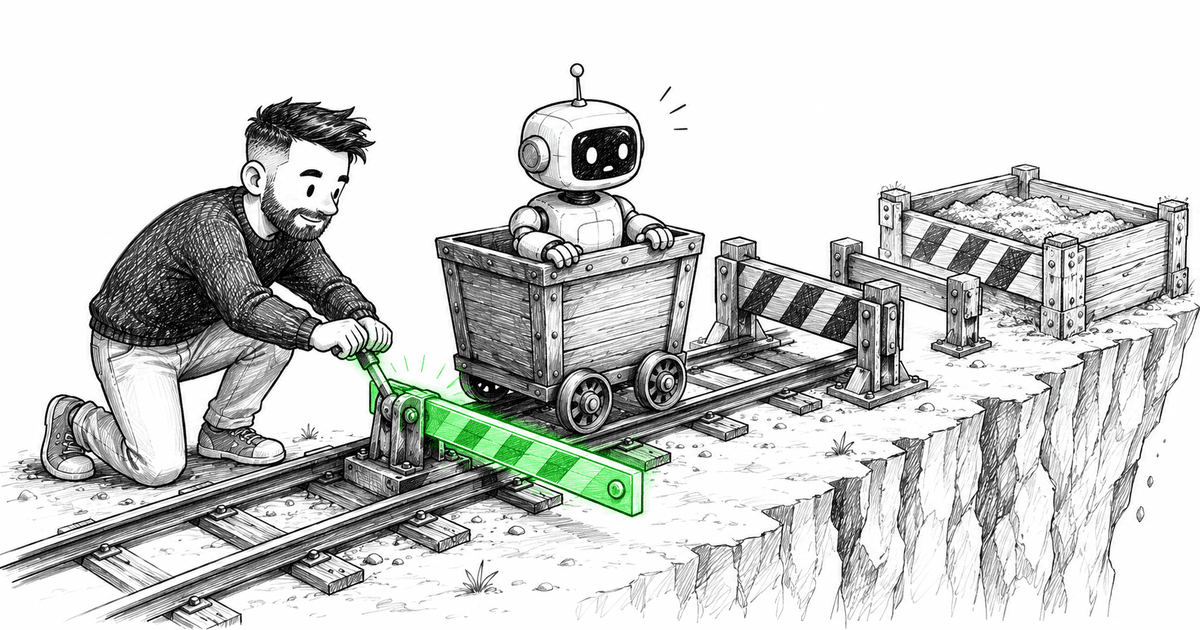
Guardrails for a Runaway Agent
An agent is stateful, and its errors compound: one wrong step sends it down an entirely different path, and it can't tell that it's lost. Autonomy without guardrails isn't trust — it's hoping. The job isn't to make the agent never fail. It's to make sure that when it does, the blast radius is small.
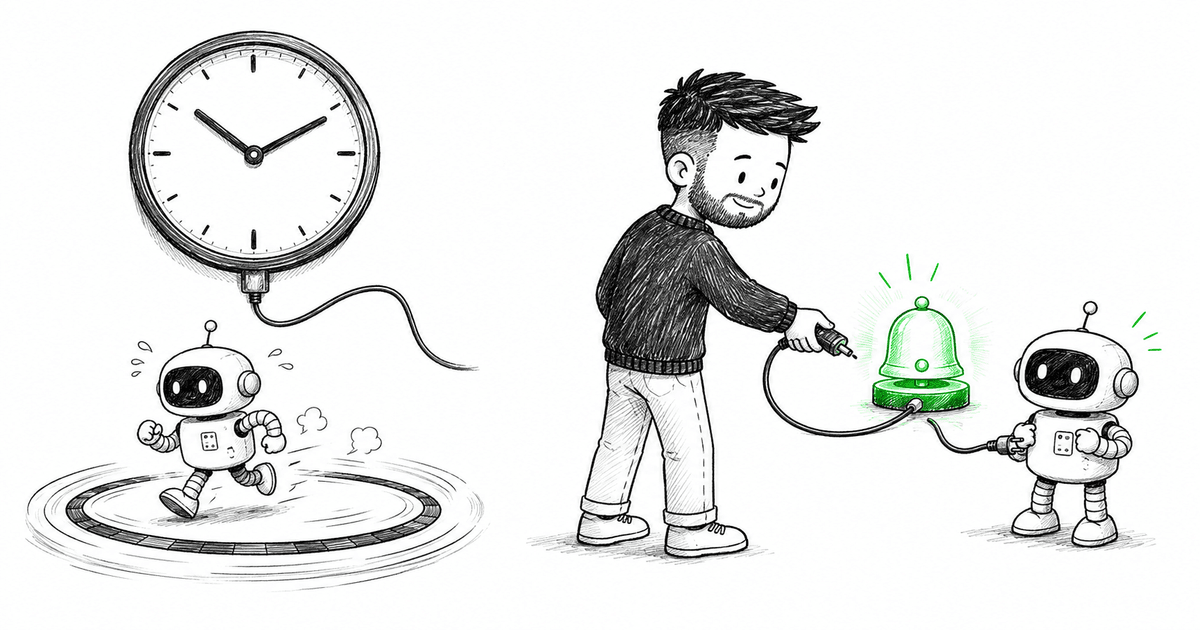
Test on Change, Not on a Timer
The instinct is to put the agent on a schedule: every few minutes, wake up and check the environment. That instinct is where a lot of runaway costs and pointless runs come from. An agent should be woken by a reason — a commit, a deploy, a failing check — not by a clock ticking over whether or not anything happened.
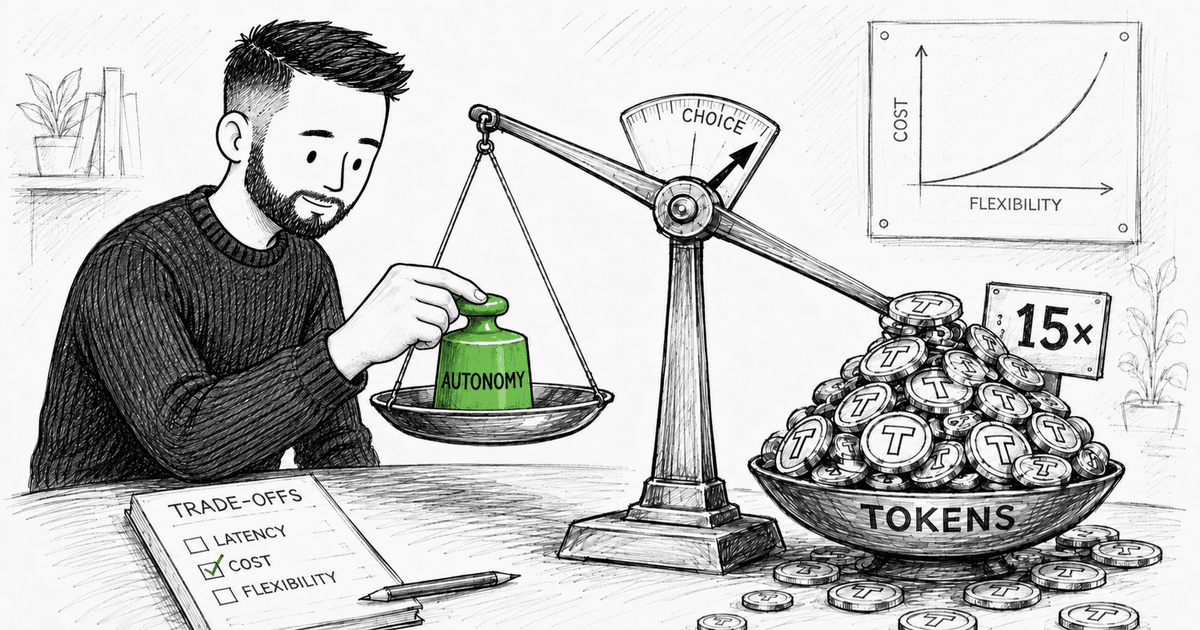
The Token Bill Is Part of the Architecture
A story made the rounds: someone put an agent on a schedule to keep checking their environment, it got stuck in a loop one night, and instead of a couple of hours it burned through a fortune in tokens by morning. The lesson isn't "watch your usage." It's that cost is a design constraint, and most agent setups treat it as a footnote.
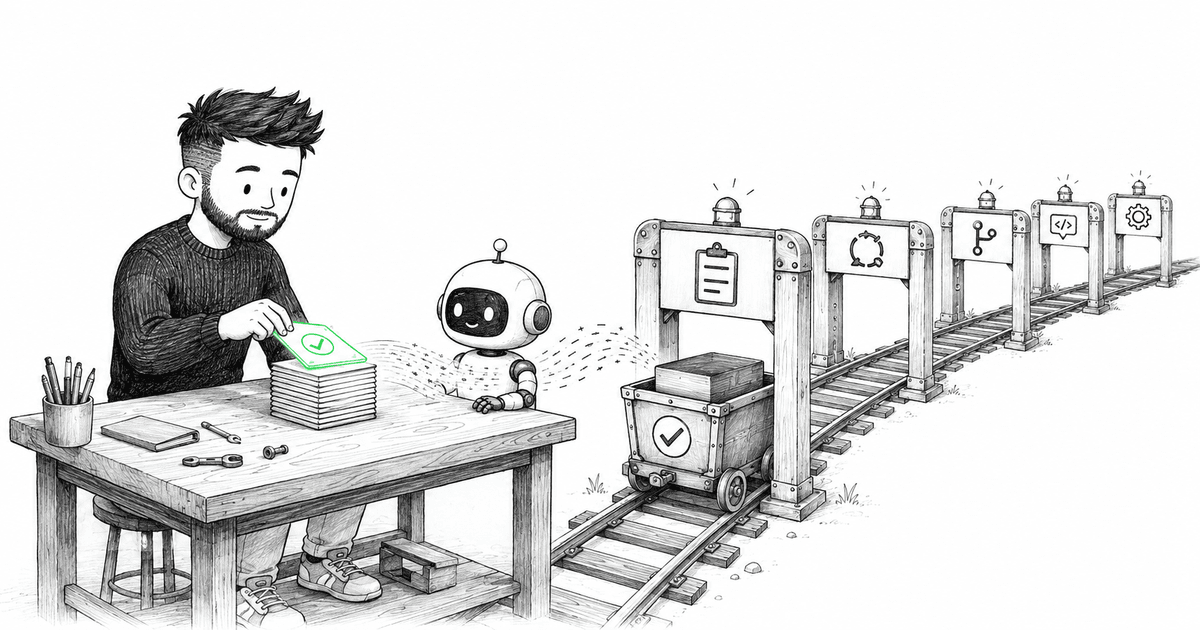
Do It As Usual: Teaching One Agent Your Whole Workflow
I can open a fresh session, type "take ticket 123 and do it as usual," and the agent runs the entire routine — assign, sprint, branch, commit, PR, pipeline. People assume that's a clever prompt. It isn't. It's months of small corrections turned into rules the agent never forgets.
You Probably Don't Need Multi-Agents
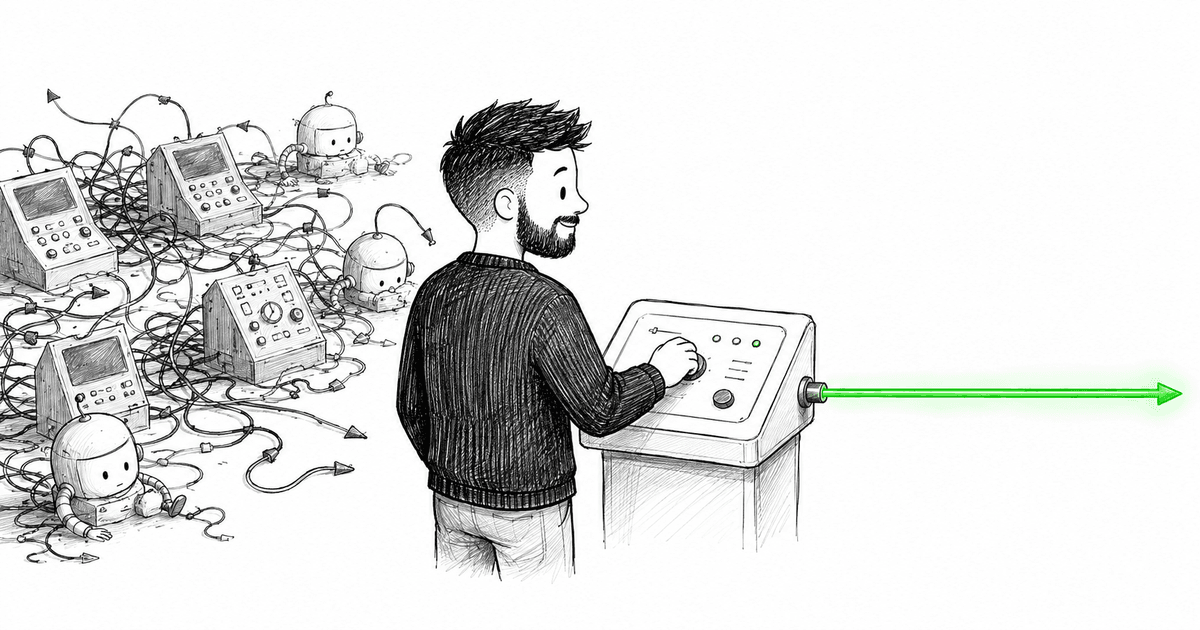
Open almost any "how I use AI" post and you'll find an orchestra: a planner agent, a coder agent, a reviewer agent, a tester agent, all pinging each other. It looks impressive. It's also the most expensive, most fragile way to get worse results than one agent you actually taught to do the job.