
They Asked Me to Build a Slider. It Was a Much Better Question Than I Thought.
A carousel with next, previous, and a row of dots. No animation. I remember thinking: is this it? Then I watched my own first thirty seconds of typing and realized the task wasn't measuring whether I could build a slider. It was measuring the order I do things in.
Read full article →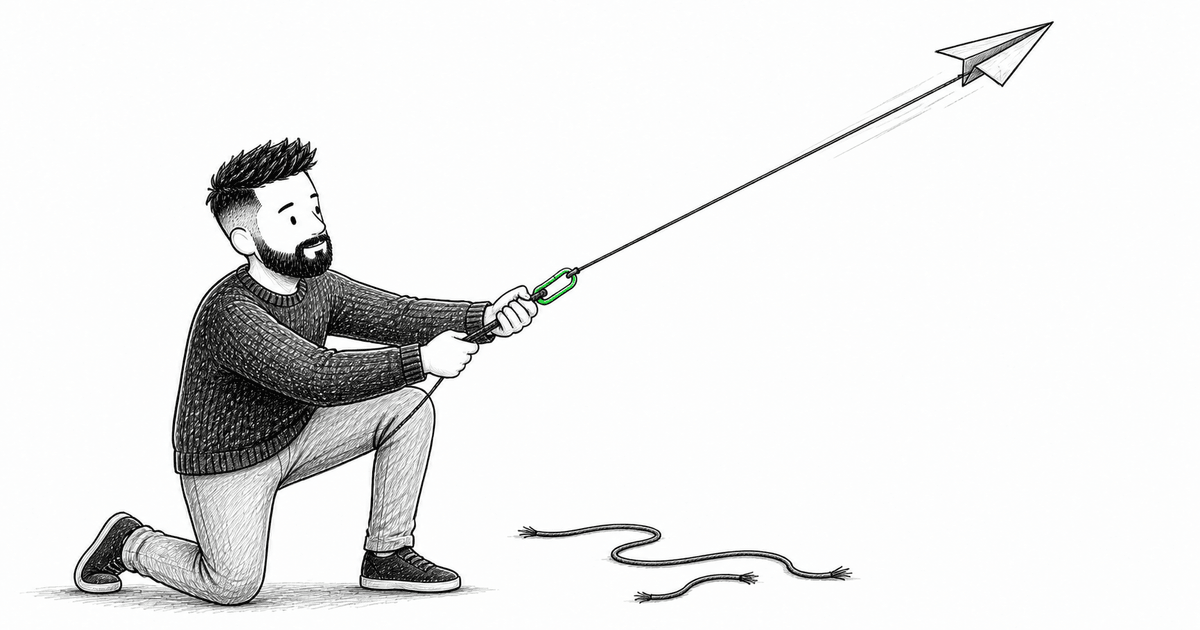
React Gives You the Loading State. It Does Not Give You Cancellation.
React 19 hands you pending state for free, and that's genuinely nice. But a finished spinner is not a finished request. AbortController is the piece almost nobody reaches for — not because it's hard, but because it looks scarier than it is. Here's the small, boring version that covers most of what you need.
Read full article →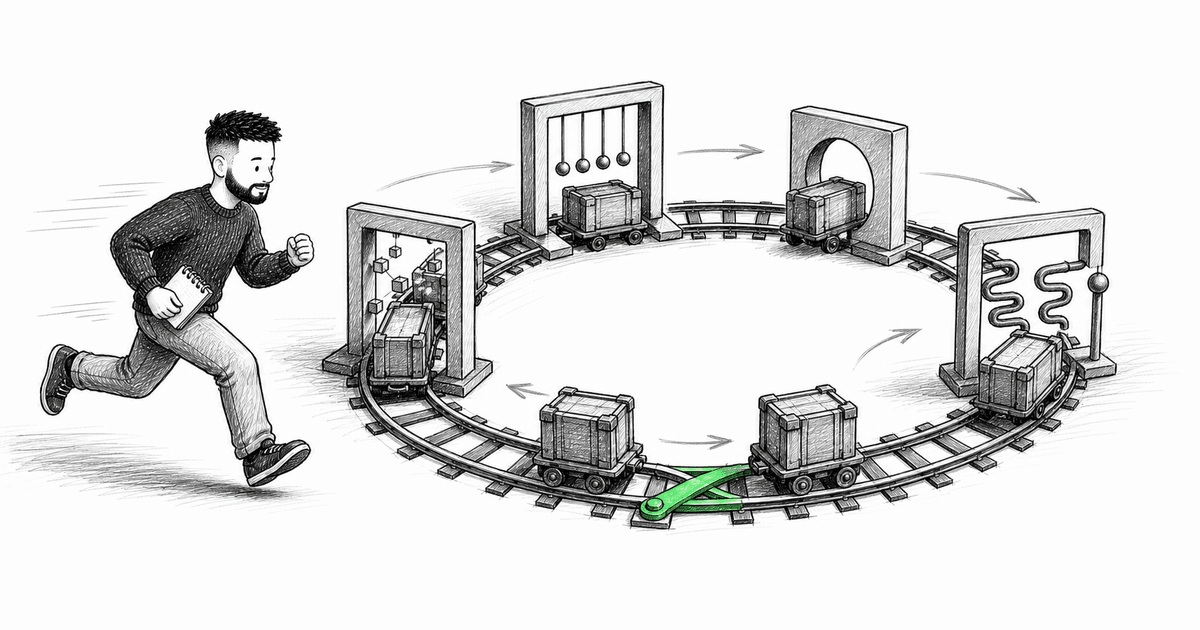
Evaluation Is the Missing Loop in Agent Workflows
An agent that feels better after a prompt change may still be getting worse. Without a small set of realistic tasks, explicit expectations, and recorded failures, agent improvement is just a sequence of impressions.
Read full article →
Memory Is Not a Bigger Context Window
A long transcript can remember everything and still help with almost nothing. Durable agent memory is the small set of current facts, decisions, and lessons that makes the next run start from a better baseline.
Read full article →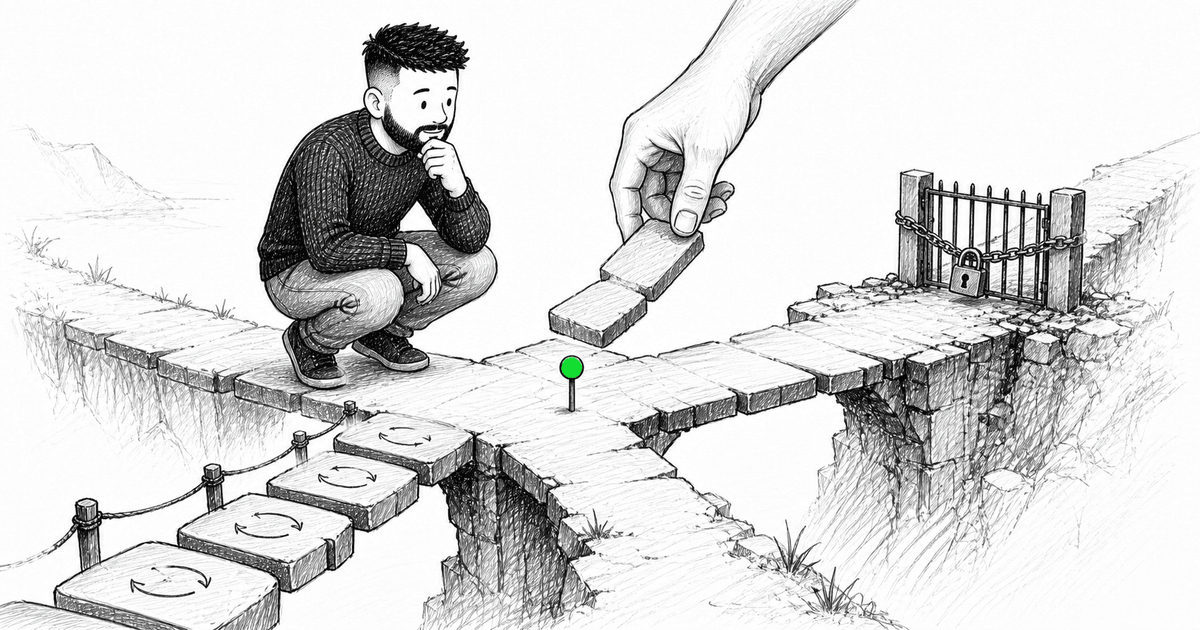
When an Agent Should Ask Instead of Acting
Autonomy is not a single setting to turn up. A useful agent knows which decisions it owns, which ones it can reverse, and which moments need a human before the next step.
Read full article →
Tools Are Part of the Agent's Intelligence
An agent cannot reason about information it cannot reach, and a vague tool description turns a precise capability into a guessing game. Tool design is not plumbing around the model. It is part of how the agent thinks.
Read full article →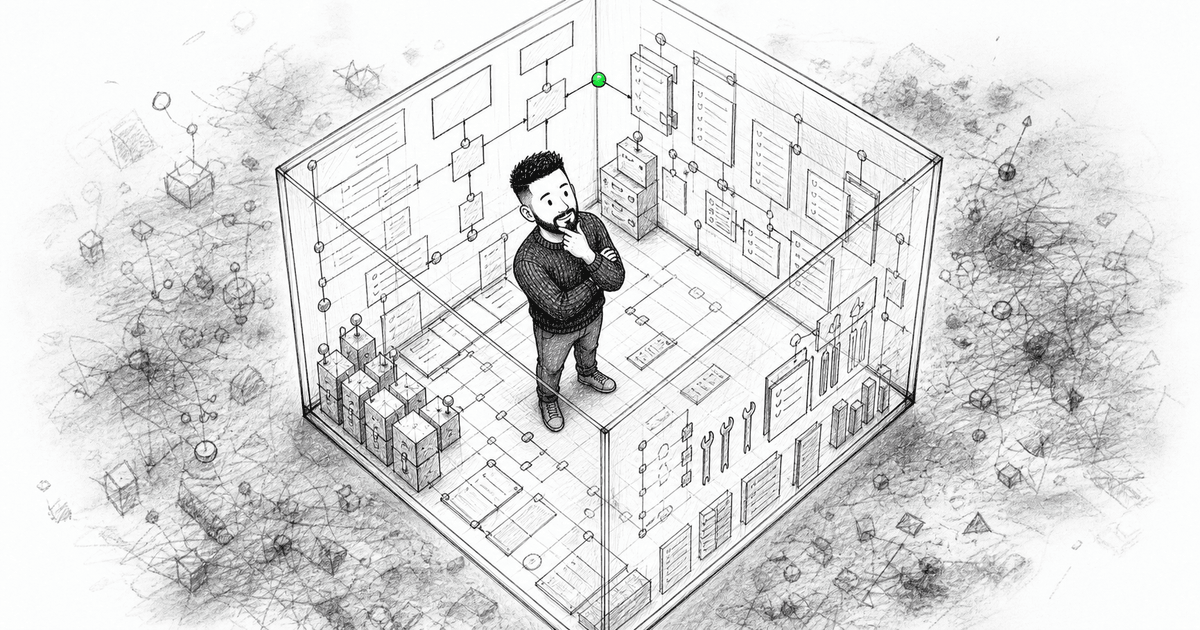
The Context Is the Product
A capable model with the wrong context is still a bad agent. The useful part of an agent is not the model in isolation, but the project knowledge, rules, tools, and decisions that shape what it can see before it acts.
Read full article →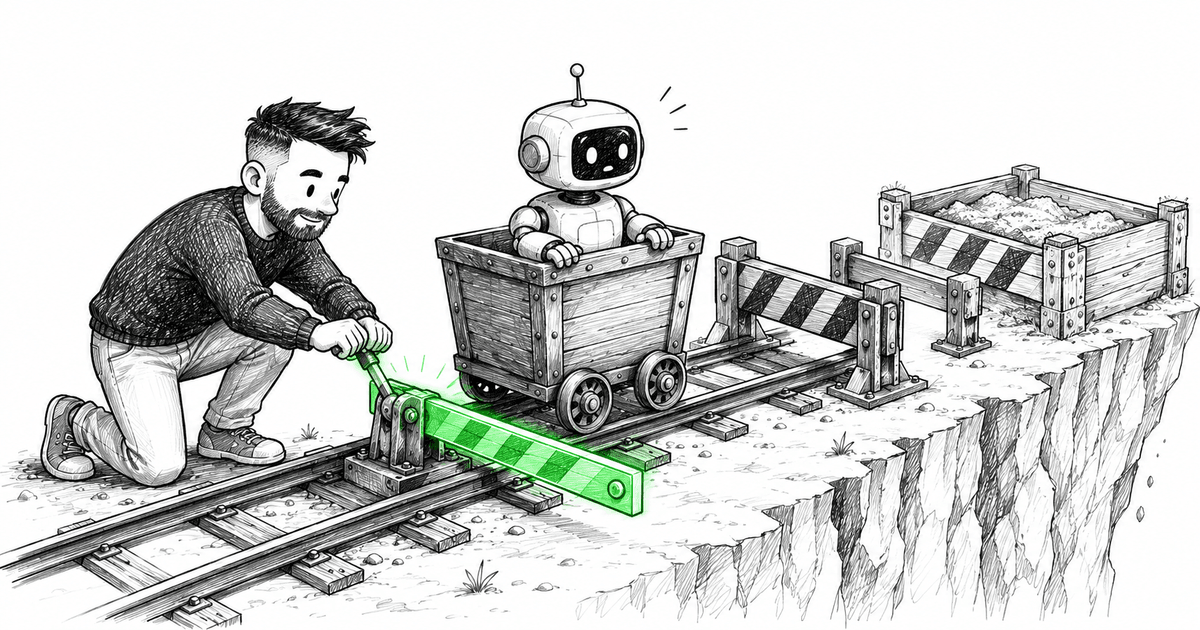
Guardrails for a Runaway Agent
An agent is stateful, and its errors compound: one wrong step sends it down an entirely different path, and it can't tell that it's lost. Autonomy without guardrails isn't trust — it's hoping. The job isn't to make the agent never fail. It's to make sure that when it does, the blast radius is small.
Read full article →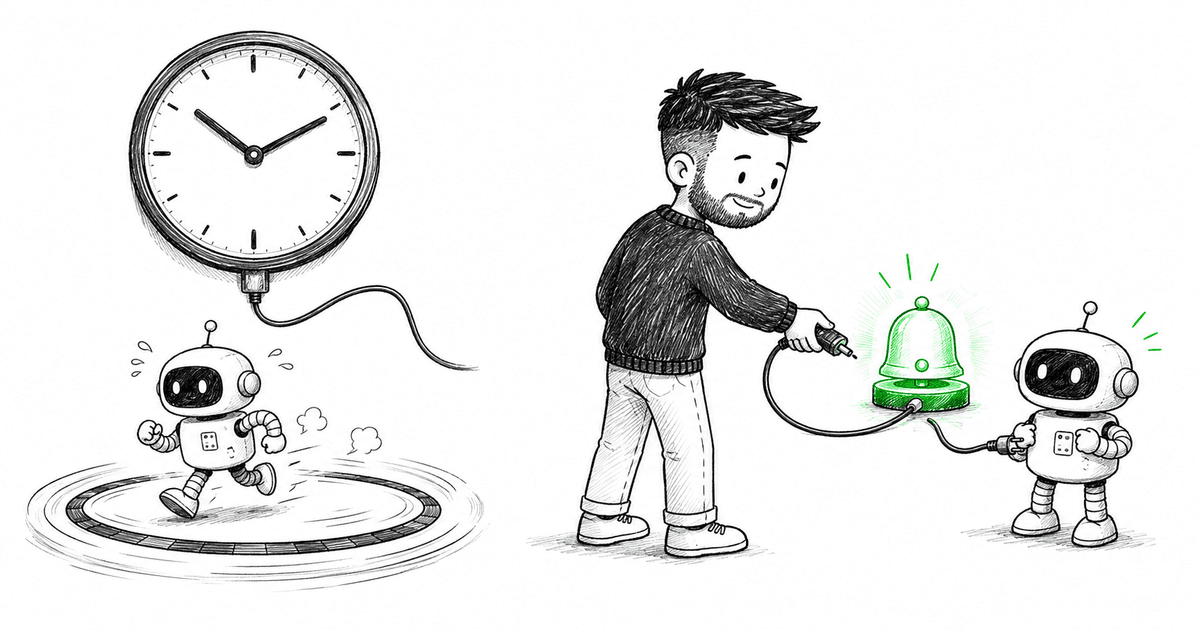
Test on Change, Not on a Timer
The instinct is to put the agent on a schedule: every few minutes, wake up and check the environment. That instinct is where a lot of runaway costs and pointless runs come from. An agent should be woken by a reason — a commit, a deploy, a failing check — not by a clock ticking over whether or not anything happened.
Read full article →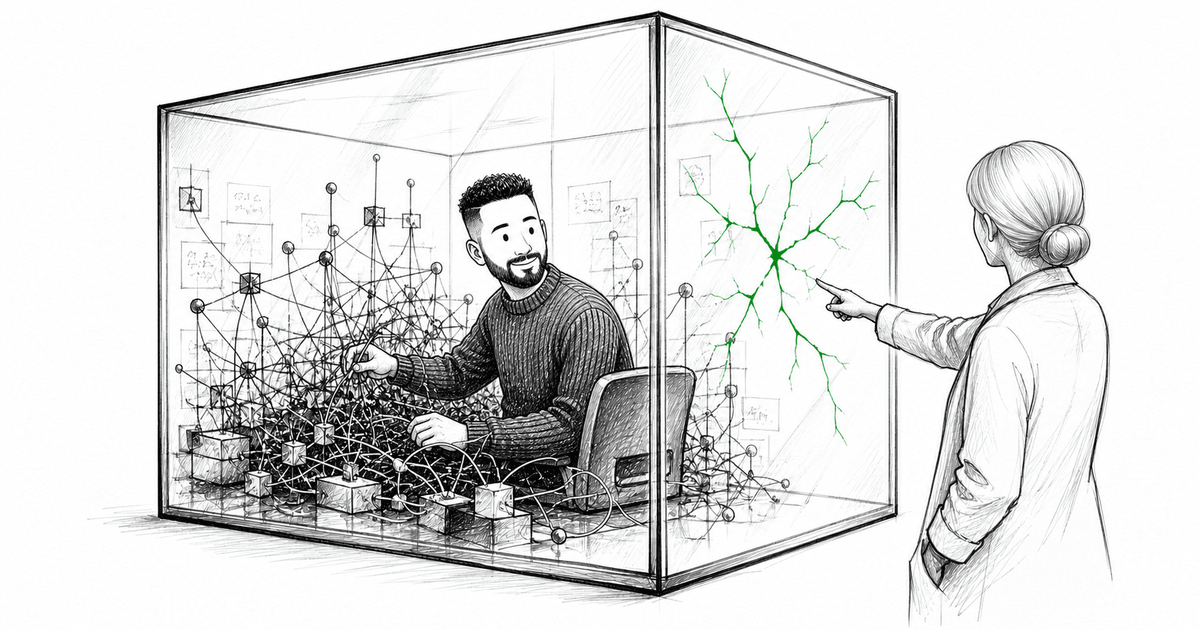
You Only Get to See It From the Outside Once
The most valuable thing an experienced engineer brings to a new project isn't a skill — it's a vantage point. For a short window, you can still see the thing from the outside, the way a user or a newcomer does. Six months in, that view is gone. And most teams burn it in the first week without noticing.
Read full article →